
What to Look for in High Voltage Switchgear Before You Buy: 7 Decision Factors

 Site Editor
If you are sourcing high voltage switchgear for a substation, factory, or renewable energy project, the options can feel endless. Most panels look similar in a catalog. The real differences show up after installation—during maintenance, fault conditions, and years of daily operation. Before you compare prices, work through these seven decision factors.
Why the Right High Voltage Switchgear Matters
Buying high voltage switchgear is not just an equipment order. It affects uptime, safety, and how much your team spends on maintenance. A panel that matches your system today but cannot handle future expansion will cost more later. Buyers who look beyond the initial quote usually get better long-term value.
1. Voltage Class and System Compatibility
Start with the basics: 12kV, 24kV, or 40.5kV. The voltage class must match your distribution network, transformer capacity, and fault level. A 24kV high voltage withdrawable switchgear may suit one project, while a 12kV indoor switchgear is enough for another. Confirm frequency, phase, and busbar configuration before you request a quote. If your project may expand, ask whether the panel can be upgraded without replacing the entire lineup.
2. Withdrawable vs. Fixed Design
Withdrawable switchgear lets you remove the circuit breaker for service without shutting down the whole busbar. Fixed designs are simpler and often cheaper, but maintenance can be slower. For critical facilities—data centers, hospitals, continuous-process plants—withdrawable metal-clad switchgear is usually the better choice. For smaller distribution rooms with limited downtime risk, a fixed unit can work well. Decide based on how your team will handle maintenance, not just on the purchase price.
3. Rated Current and Short-Circuit Withstand Capacity
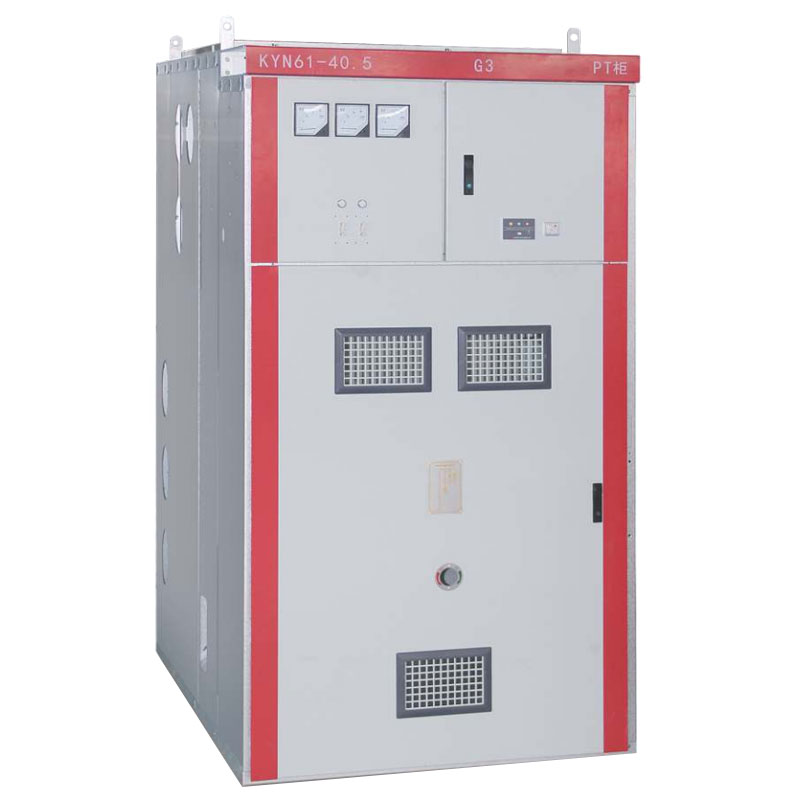
The rated current must cover normal load and reasonable future growth. The short-circuit withstand rating must exceed the maximum fault current at the installation point. Under-specifying these values creates a safety risk. Over-specifying them adds cost without benefit. Ask the supplier to show calculation assumptions and type test evidence. For projects with high fault levels, this is where a KYN28A-12 metal-clad switchgear or a KYN61-40.5 unit may be specified.
4. Insulation Type and Environmental Fit
Air-insulated switchgear (AIS) is common, easy to maintain, and suitable for most indoor rooms. Gas-insulated switchgear (GIS) saves space but needs gas handling and monitoring. Solid-insulated and SF6-free designs are gaining ground where environmental rules or tight spaces matter. Check altitude, humidity, ambient temperature, dust, and corrosive atmosphere. A panel rated for a clean control room may not last in a coastal or mining site.
5. Standards, Type Tests, and Certification
For most international projects, IEC 62271 is the baseline. Ask for type test reports, not just a certificate of compliance. The reports should cover the relevant voltage class, short-circuit rating, internal arc classification, and mechanical endurance. IEC 62271-compliant high voltage switchgear gives your engineering team a clear reference point during inspection and commissioning. If a supplier cannot provide traceable test documents, treat that as a serious warning sign.
6. Interlocking, Safety, and Smart Monitoring
Mechanical and electrical interlocking prevents dangerous operations such as closing a breaker with the earthing switch engaged. The “five-prevention” logic should be built into the design, not added as an afterthought. More buyers now ask for temperature sensors, partial discharge monitoring, and SCADA-ready communication. These features help you catch insulation problems before they become failures. They also make planned maintenance more targeted and less disruptive.
7. After-Sales Support, Spare Parts, and Lead Time
A panel is only as good as the support behind it. Confirm warranty terms, spare parts availability, and response time. Ask who will provide installation guidance, commissioning support, and operator training. For overseas projects, clear documentation and remote support can save weeks. Lead time matters too: custom switchgear may need 6–12 weeks or more depending on configuration. Build that into your project schedule early.
A Closer Look at a Typical Configuration
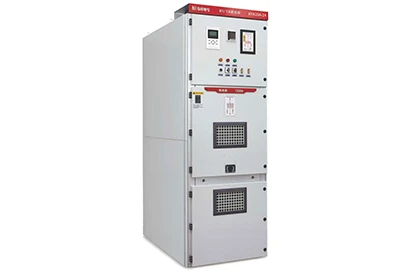
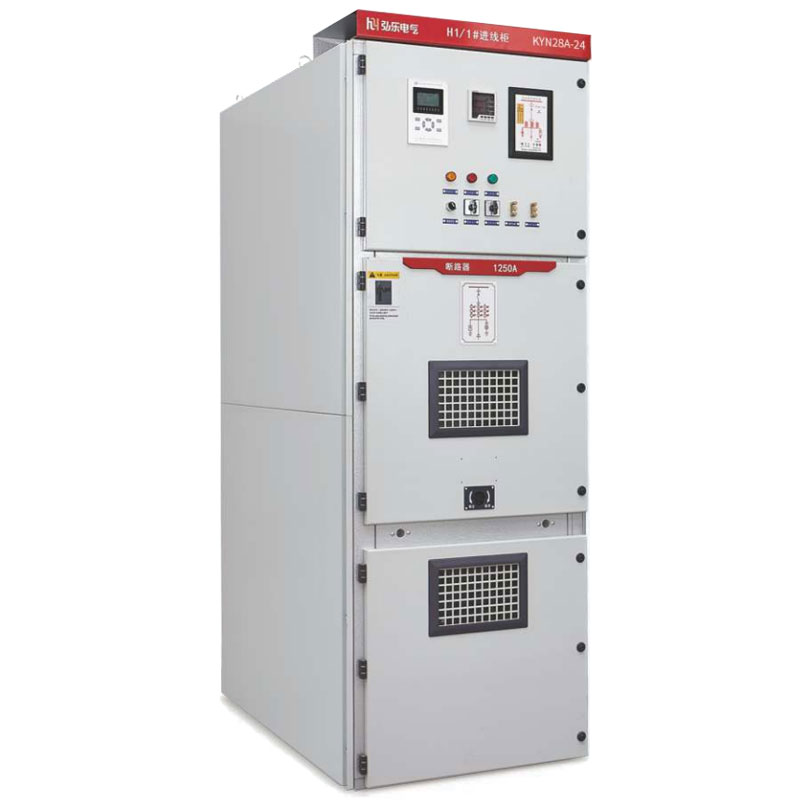
If you are comparing options for a 12kV or 24kV indoor distribution project, a withdrawable metal-clad design is often the practical starting point. The table below shows a representative specification for a KYN28A-12 style panel. Exact values depend on your system study.
| Specification | Details |
|---|---|
| Voltage class | 12kV / 24kV |
| Design | Withdrawable metal-clad, indoor |
| Busbar rated current | Up to 4000A |
| Short-circuit withstand | Up to 40kA / 4s |
| Circuit breaker | Vacuum, withdrawable |
| Insulation | Air-insulated |
| Standards | IEC 62271-200, IEC 62271-100 |
| Interlocking | Five-prevention mechanical/electrical |
| Optional monitoring | Temperature, partial discharge, SCADA |
(Image name: kyn28a-12-withdrawable-metal-clad-switchgear)
What Support Should Look Like After Delivery
Good suppliers do more than ship a panel. They provide a complete document package: general arrangement drawings, wiring diagrams, test reports, installation instructions, and a maintenance manual. For overseas buyers, remote commissioning support and video-based training are now common. Ask whether spare parts are stocked locally or shipped from the factory. If a breaker or relay fails, how fast can you get a replacement? That answer often matters more than a small price difference.
Summary
Choosing high voltage switchgear is a long-term decision. Voltage class, withdrawable design, short-circuit rating, insulation type, IEC 62271 testing, safety monitoring, and after-sales support all shape the total cost of ownership. Buyers who compare these factors—not just the quote—usually end up with a safer, more reliable installation.
What to Take Away
-
Match voltage class and fault level to your actual system, with room for growth.
-
Choose withdrawable or fixed design based on maintenance strategy, not habit.
-
Ask for IEC 62271 type test reports and verify the scope.
-
Plan for spare parts, training, and lead time before you place the order.
Have a Specific Project in Mind?
If you are still comparing 12kV and 24kV options, or need a custom configuration for a substation or renewable energy site, our team can help. Send us your single-line diagram, rated current, fault level, and site conditions. We will recommend a suitable switchgear lineup and provide a clear quotation.