
How Can I Reduce Power Transformer Iron Loss and Condensed Flux Leakage?

 Site Editor
If you run an industrial facility or manage a utility substation, you know that every percentage point of efficiency matters. Iron loss and condensed flux leakage are two silent culprits that quietly raise your energy bill and shorten equipment life. The good news? Both can be minimized with the right design, materials, and maintenance. In this article, we’ll look at practical steps to reduce iron loss and prevent condensed flux leakage in a power transformer.
What Causes Iron Loss and Condensed Flux Leakage?
Iron loss, also called no-load loss, happens in the transformer core. It comes from two sources: hysteresis loss (as the magnetic field reverses) and eddy current loss (circulating currents in the core). Even with modern silicon steel, these losses never disappear completely—but they can be significantly reduced.
Condensed flux leakage is a bit different. In oil-immersed transformers, temperature changes can cause moisture to condense inside the tank. That moisture doesn’t just harm insulation; it can also disrupt the magnetic path and create stray flux. Over time, this leads to higher losses, overheating, and potential failure.
Design and Material Choices That Reduce Iron Loss
Use High-Grade Silicon Steel
The core is where iron loss begins. Using high-permeability, grain-oriented cold-rolled silicon steel sheets is the first line of defense. These sheets are often processed with laser scribing or domain refinement to further reduce hysteresis loss. For a low loss power transformer, the quality of the core steel is non-negotiable.
Optimize Core Construction
How the core is stacked matters just as much as the material. A fully oblique seam (step-lap) construction reduces magnetic resistance at the joints. This means the flux flows more smoothly, cutting both eddy currents and hysteresis. Many modern designs, like the S13-M series, use a three-dimensional triangular rolled core to shorten the magnetic path even further.
Preventing Condensed Flux Leakage in Oil-Immersed Power Transformers
Sealing and Breathing Systems
Moisture enters an oil-filled transformer mainly through the breathing system. A sealed tank design with a rubber diaphragm or a conservator with an air bag can block humid air from contacting the oil. If your transformer uses a breather, make sure the silica gel is regularly replaced. A simple color change from blue to pink tells you it’s time.
Oil Quality and Maintenance
Even with good sealing, trace moisture can accumulate. Regular oil testing—for dielectric strength, moisture content, and acidity—helps you catch problems early. Vacuum degassing and oil filtration during maintenance remove dissolved water and gases. This keeps the insulation strong and prevents the conditions that lead to condensed flux leakage.
Dry-Type Power Transformers: A Different Approach
If condensation is a recurring issue in your environment, a dry-type transformer might be a better fit. Epoxy-resin cast dry-type transformers, such as the SC(B) series, have no oil to absorb moisture. The windings are sealed in resin, making them fireproof and maintenance-free. They still need clean, dry air around them, but they eliminate the oil-related condensation problem entirely.
Why Partner with a Reliable Power Transformer Manufacturer?
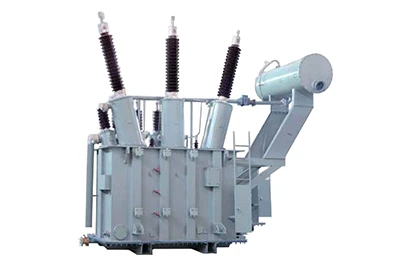
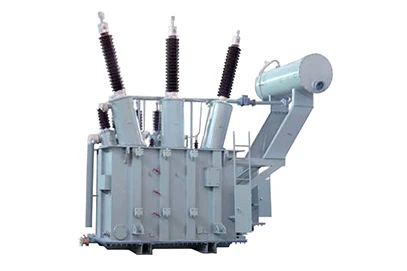
You can specify the best materials, but execution matters. A reliable manufacturer will test every unit for loss, impedance, and leakage before shipment. At HONLE, we build both oil-immersed and dry-type transformers with a focus on low loss and long-term reliability. Our oil type three phase power transformer line, for example, uses high-quality silicon steel and advanced sealing to minimize both iron loss and moisture ingress. We also provide on-site installation and training, so your team knows how to keep performance high.
Summary
Key Takeaways
-
Choose high-grade silicon steel and step-lap core construction to cut iron loss.
-
Seal the tank and maintain the breather to stop moisture from causing condensed flux leakage.
-
Test oil regularly and use vacuum degassing to remove water.
-
Consider epoxy-resin dry-type transformers for humid or fire-sensitive locations.
-
Work with a manufacturer who tests and supports what they sell.
Have a Specific Requirement?
Every project has unique voltage, capacity, and environmental conditions. Whether you need a custom oil type three phase power transformer or a dry-type unit for indoor use, our team can help you find the right fit. Contact us today to discuss your specifications and get a quote.