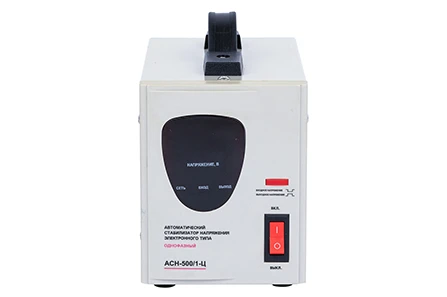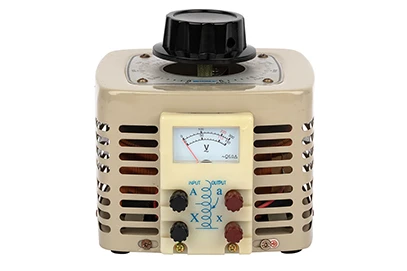

Automatic Voltage Stabilizer Troubleshooting – Common Issues and Solutions

 Site Editor
You hear a click from the corner of the room. Then another. Your equipment shuts down without warning, and you walk over to find your automatic voltage stabilizer has tripped again. Or maybe the casing feels too hot to touch, and there is a faint smell of overheated electronics. Perhaps the output voltage seems inconsistent, and you are not sure whether the problem is the stabilizer or something else entirely.
If any of this sounds familiar, you are not alone. Voltage stabilizers are electromechanical devices. Like any machine with moving parts and electronic components, they can develop issues over time. The good news is that most problems are preventable and fixable. This guide walks through the most common automatic voltage stabilizer issues, what causes them, and how to address them before they become expensive failures.
Overheating: The Most Frequent Issue
Overheating is the number one problem reported with voltage stabilizers. A warm body is normal during operation—voltage regulation generates heat as a natural byproduct. But when heat builds beyond reasonable levels, it accelerates component degradation, triggers thermal shutdowns, and can permanently damage both the stabilizer and the equipment it is supposed to protect.
What causes overheating?
Overloading is the most common culprit. Every automatic voltage stabilizer has a rated capacity measured in VA or kVA. When you connect equipment that draws more current than the unit is designed to handle, internal components work far harder than they should. Transformers strain, circuits struggle, and heat builds up fast. For motor-driven equipment, remember that startup current can be three to five times the running current, so always apply a safety factor when sizing your automatic voltage stabilizer.
Poor ventilation is another frequent cause. When you place the unit in a tight corner, stack items on top of it, or install it inside a closed cabinet with no airflow, heat gets trapped. Temperatures rise, components degrade faster, and the risk of thermal shutdown increases dramatically.
Fan failure also contributes to overheating. Many higher-capacity models rely on internal cooling fans to dissipate heat. When a fan fails, the unit loses its primary heat removal mechanism.
How to fix it
Start by calculating the total load of all equipment connected to your stabilizer. Add up the wattage of every appliance, then compare it to your unit's rated capacity. If the load exceeds 80% of the rated capacity on a continuous basis, you are pushing the unit too hard. Either reduce the load by disconnecting non-essential equipment, or upgrade to a higher-capacity automatic voltage stabilizer.
Relocate your stabilizer to an open, well-ventilated area. Leave at least 15–20 centimeters of clearance on all sides—especially the top and rear where ventilation grilles are typically located. Listen for the fan when the unit is running. No sound when there should be? That is a red flag.
Continuous Clicking or Unusual Noise
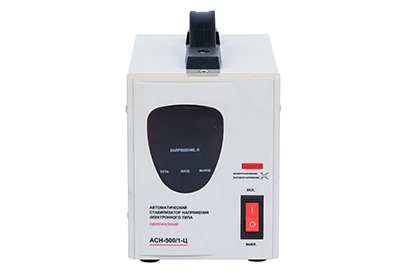
You hear a faint but persistent clicking sound coming from your automatic voltage stabilizer. Sometimes it is a single click when the voltage changes. Other times, it is a rapid, continuous tak-tak-tak that makes you worry something is seriously wrong.
What is normal vs. what is not
A single click when the voltage corrects is completely normal—it is the sound of the internal relay switching or the servo motor making an adjustment. But rapid, continuous clicking indicates the internal relays are constantly switching. This means your stabilizer is struggling with severe voltage fluctuations and is under significant stress.
What causes abnormal clicking?
Overloading is one of the most common causes of continuous clicking. When you connect equipment that exceeds your stabilizer's rated capacity, internal components work extremely hard and can produce abnormal sounds.
Severe voltage fluctuations are another major cause. If the input voltage is constantly bouncing above and below the regulation threshold, the internal relays will switch repeatedly—creating that annoying clicking sound. This is especially common in areas with unstable grid power or during peak demand hours when voltage drops significantly.
Mechanical wear can also cause unusual noises. Buzzing usually means loose transformer plates. Grinding indicates dry motor bearings or worn carbon brushes. Popping suggests serious electrical arcing.
How to fix it
Calculate your total load. Add up the wattage of all appliances connected to the stabilizer. Your total load should not exceed 80% of the stabilizer's rated capacity for continuous operation. Disconnect non-essential appliances and see if the clicking stops. If it does, you have found the cause—your stabilizer is overloaded.
For voltage fluctuation issues, check whether the stabilizer's input voltage range is appropriate for your location. Some stabilizers allow you to adjust the sensitivity setting. If the grid in your area is consistently unstable, you may need additional power conditioning equipment upstream.
For mechanical noise, inspect the carbon brushes if you are using a servo motor automatic voltage stabilizer. Grinding or intermittent sounds often indicate a dry motor, worn brush, or debris on the coil surface. Regular inspections and timely lubrication keep the unit running quietly.
Random Tripping During Operation
Your automatic voltage stabilizer trips randomly—without any clear pattern or warning. You reset it, it works for a while, and then it trips again. This kind of random tripping is more than just an inconvenience. It interrupts production, leaves sensitive equipment unprotected, and can signal a deeper issue.
What causes random tripping?
Overload is the most frequent culprit. When the connected load exceeds the rated capacity, the stabilizer continues to operate under high load, but its internal protection circuits will eventually trip. This tripping may seem random because it depends on how long the overload persists and the ambient temperature at the time.
Voltage fluctuations and transient spikes can also trigger trips. When the input voltage fluctuates rapidly or experiences sudden surges, the stabilizer's protection circuits may interpret these events as dangerous conditions and trip to protect connected equipment.
Loose connections or wiring issues are another common cause. Over time, vibration from normal operation can loosen terminal screws, causing intermittent contact that triggers protection circuits. Similarly, undersized or damaged wiring can create resistance that leads to voltage drops and overheating.
How to fix it
Calculate the total power consumption of all connected equipment and compare it against the rated capacity of your unit. Disconnect non-essential loads if necessary. For motor-driven equipment, always apply a safety factor when sizing your automatic voltage stabilizer.
Inspect all electrical connections—from the input supply to the output terminals. Tighten any loose connections and replace any wiring that shows signs of damage or overheating.
If the issue persists during periods of known grid instability, evaluate whether your stabilizer's input voltage range is appropriate for your location.
Carbon Brush Wear and Maintenance
If you are using a servo motor automatic voltage stabilizer, carbon brushes are a critical wear component. These brushes slide along the exposed windings of an autotransformer, adjusting the turns ratio to regulate output voltage. Every movement causes microscopic wear, producing carbon dust that can accumulate on the coil surface and around the brush assembly.
What happens when brushes wear out?
As brushes wear down, contact resistance increases. Higher resistance means more heat—and that heat can cause voltage regulation errors and further damage. Carbon dust buildup on the coil increases contact resistance, causing overheating. A contaminated brush surface leads to poor electrical contact and sparking, which can damage the coil surface itself. Excessive brush wear reduces the contact area, causing arcing and eventual stabilizer failure.
Signs your servo motor voltage stabilizer needs attention
-
Output voltage drifting—if the stabilizer struggles to maintain the set voltage or the output seems inconsistent, carbon brush contamination or wear could be the cause
-
Unusual noise—grinding, buzzing, or intermittent sounds often indicate a dry motor, worn brush, or debris on the coil surface
-
Excessive sparking at the brush assembly
How to fix it
Most manufacturers recommend cleaning carbon brushes every three to six months, but the actual frequency depends on your operating environment and usage patterns. Inspect carbon brushes regularly. When wear exceeds approximately 80% of the original length, replacement becomes necessary. This is routine maintenance for any servo-type automatic voltage stabilizer—not a sign of failure.
Summary
A reliable automatic voltage stabilizer is essential for protecting your industrial equipment from voltage sags, spikes, and fluctuations. But like any piece of equipment with mechanical and electronic components, it requires attention. The issues covered in this guide—overheating, continuous clicking, random tripping, and carbon brush wear—are the most common problems reported by users.
Key takeaways:
-
Overheating is usually caused by overloading or poor ventilation—check your load and ensure adequate airflow
-
Continuous clicking often signals overload or severe voltage fluctuations—calculate your total load and check input voltage stability
-
Random tripping typically traces back to overload, voltage spikes, or loose connections—inspect wiring and confirm proper sizing
-
Carbon brushes in servo-type stabilizers require regular inspection and cleaning—every three to six months is a good baseline
If you have tried these fixes and the problem persists, it may be time to consult a technician. Some issues—such as control board failure or transformer damage—require professional diagnosis.
Need Help Selecting or Servicing Your Automatic Voltage Stabilizer?
Whether you are troubleshooting an existing unit or planning to upgrade your power protection solution, we are here to help. Our team can assist with sizing recommendations, technical specifications, and maintenance guidance for your specific application.