
Single Phase Voltage Regulator for Generator Sets: Solving Voltage Sag During Transfer Switching

 Site Editor
When the main power fails and your generator kicks in, the transfer switch does its job—but not without a brief moment of chaos. Voltage sags, lights flicker, and sensitive equipment may shut down or reset. For facilities that rely on standby power, this transition period is a critical weak point. A single phase voltage regulator can bridge that gap, keeping voltage steady even as the source switches.
Why Voltage Sag Happens During Transfer Switching
Transfer switching is rarely instantaneous. Whether you use an automatic transfer switch (ATS) or a manual changeover, there’s a window—often 100 milliseconds to a few seconds—where the load is either disconnected or running on a generator that hasn’t fully stabilized. During this window, voltage can drop well below nominal levels.
Generator sets themselves are also part of the problem. When a generator first picks up a load, its engine speed and excitation system need time to respond. If the load includes motors, compressors, or other high-inrush equipment, the voltage dip can be even deeper. For a 220V system, a sag to 180V or lower is not uncommon. That’s enough to cause PLCs to fault, relays to drop out, and sensitive electronics to reboot.
How a Single Phase Voltage Regulator Stabilizes Generator Output
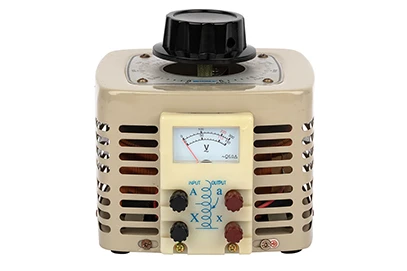
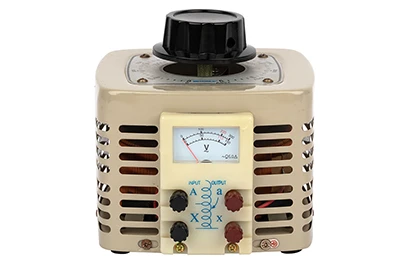
A single phase voltage regulator continuously monitors input voltage and adjusts its output to keep it within a tight range. When the generator is still ramping up or the transfer switch is mid-transition, the regulator compensates for the dip. Once the generator reaches steady state, the regulator maintains a stable output even if the generator’s voltage fluctuates due to load changes.
There are different technologies to consider. Relay-type regulators are economical but respond in steps, which may not be fast enough for some generator applications. Servo-motor regulators offer smoother correction and faster response, making them a better fit for generator sets that experience frequent load swings. For the most sensitive equipment, IGBT-based regulators provide the fastest response and highest precision.
Key Functions to Look For
-
Wide input voltage range: A regulator that accepts 160V–250V or wider can handle the deep sags common during transfer switching.
-
Fast response time: Look for a response time under 100ms, ideally 20–50ms, to catch the dip before equipment reacts.
-
Overvoltage and undervoltage protection: These features prevent damage if the generator overshoots or the transfer switch causes a spike.
-
Overload capability: Generators often see brief overloads during startup; the regulator should handle 150% or more for short periods.
What to Look for in a Single Phase Voltage Regulator for Generator Sets
Not every voltage regulator is built for generator duty. Generator output is often messier than grid power—frequency may vary slightly, and voltage can swing widely under load. Here are the practical specs that matter.
Input Voltage Range
Generators in remote areas or older installations may run at 208V, 220V, or 240V nominal, but actual output can deviate by ±15% or more. Choose a regulator with an input range that covers your generator’s worst-case output. A range of 160V–250V is a good baseline for 220V systems.
Response Time and Correction Speed
During transfer switching, every millisecond counts. A regulator with a response time of 20–50ms will correct the sag before most equipment even notices. If your load includes variable frequency drives (VFDs) or medical imaging equipment, prioritize speed.
Protection and Bypass Features
Look for built-in overvoltage, undervoltage, and overload protection. A manual bypass switch is also useful for maintenance without shutting down the entire system. Some advanced models offer automatic bypass if the regulator fails, ensuring the generator can still feed the load.
Real-World Applications and Benefits
Single phase voltage regulators for generator sets are used in a wide range of settings. Telecom towers in remote areas rely on them to keep microwave links stable during generator start. Small clinics and laboratories use them to protect diagnostic equipment from voltage sags that occur when the backup generator takes over. Even home offices with standby generators benefit—no more rebooting routers and computers every time the power flickers.
The benefits go beyond protection. Stable voltage means equipment runs cooler, lasts longer, and consumes less energy. It also reduces nuisance tripping, which can be a major headache in automated facilities. And because the regulator handles the fluctuations, your generator doesn’t have to work as hard to maintain voltage, which can extend its service life.
Summary
Voltage sag during transfer switching is a common but often overlooked problem. It can disrupt operations, damage equipment, and create safety risks. A single phase voltage regulator designed for generator sets solves this by providing fast, accurate voltage correction during and after the transition.
What to Take Away
-
Transfer switching creates a brief window of voltage instability that can harm sensitive equipment.
-
A single phase voltage regulator with wide input range and fast response time can bridge that gap.
-
Look for models with overvoltage, undervoltage, and overload protection, plus a bypass option.
-
The right regulator extends equipment life, reduces downtime, and improves overall power quality.
Have a Specific Generator Setup in Mind?
Whether you’re specifying a regulator for a new generator installation or retrofitting an existing one, the right solution depends on your load profile, generator size, and transfer switch type. Our team can help you match the right single phase voltage regulator to your generator set—no guesswork, no oversizing.