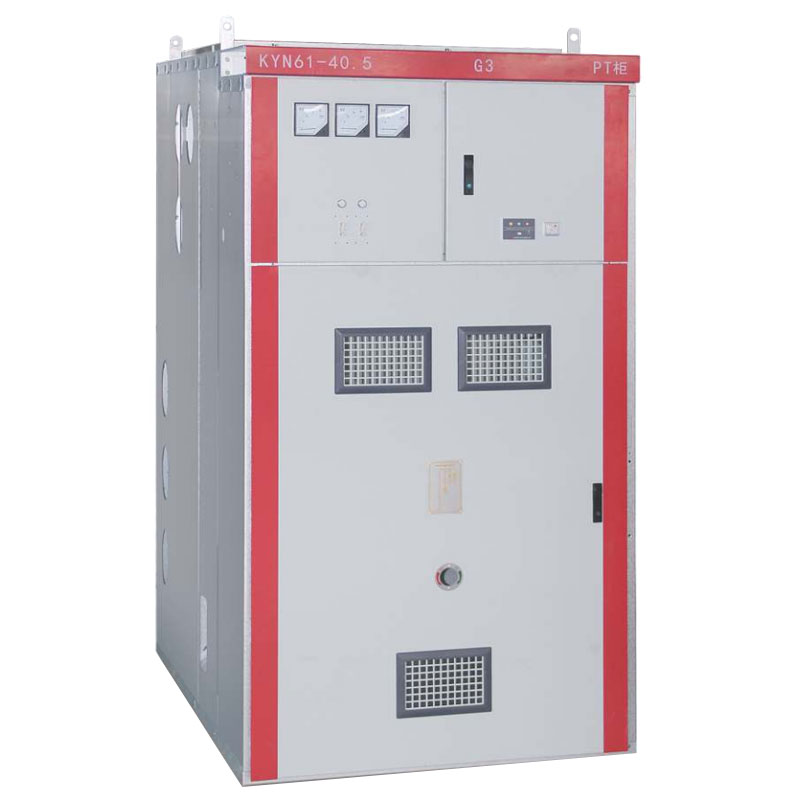

What to Look for in a Switchgear Before You Buy

 Site Editor
If you manage a factory, a data center, or any facility that depends on continuous power, you already know this: when the electrical distribution system fails, everything stops. Switchgear is the backbone of that system — the equipment that controls, protects, and isolates your power circuits. But here is the problem most buyers run into: switchgear looks fairly similar across manufacturers. The spec sheets all quote similar voltage ratings and current capacities. So what actually separates a reliable switchgear from one that becomes a maintenance nightmare?
Choosing a switchgear is a long-term decision. Pick the wrong one, and you are looking at frequent unplanned outages, expensive component replacements, and safety risks that no one wants to take. Understanding what makes a switchgear truly dependable matters far more than comparing price tags alone.
What Defines a Quality Switchgear
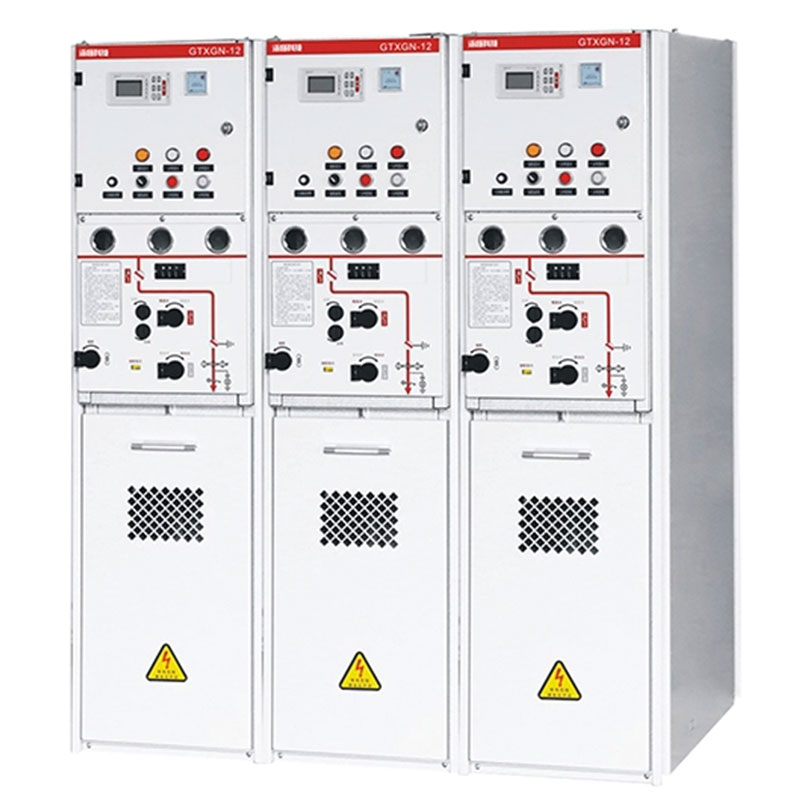
The core function of any electrical switchgear is straightforward: it allows you to control power flow, protect downstream equipment from faults, and safely isolate sections of your network for maintenance. But the difference between a quality unit and a mediocre one shows up in the details — how it handles thermal stress, how accessible critical components are, and how consistently it performs under real operating conditions.
Key factors to evaluate:
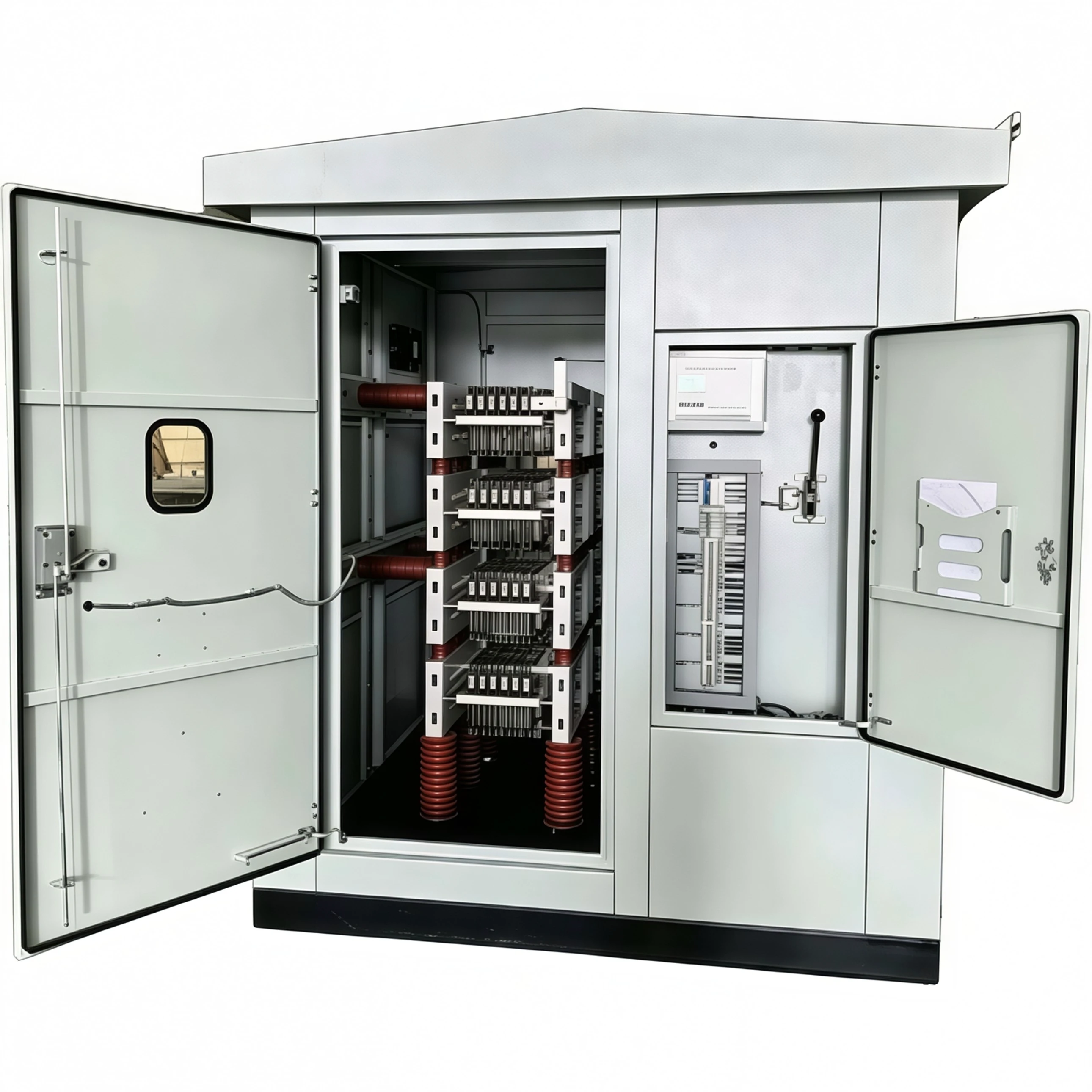
Fault withstand capability — A switchgear must be rated to handle short-circuit currents for a specified duration. Units tested to higher standards (such as 30-cycle withstand ratings) are built to endure harsher electrical and mechanical stresses.Enclosure and access — Quality switchgear requires proper barriers between compartments and often needs both front and rear access for safe maintenance. Arc-resistant designs add an extra layer of operator safety.Component quality — The circuit breakers, disconnect switches, and protective relays inside the switchgear determine its real-world reliability. Cutting corners here almost always leads to problems down the line.
A Closer Look at What Switchgear Does in Your System
Before diving into specific models, it helps to understand the working principle of switchgear at a fundamental level. Under normal operating conditions, switchgear allows electrical energy to flow through closed contacts while enabling controlled switching for load management. When a fault occurs — whether from an overload, a short circuit, or a ground fault — the switchgear detects the abnormality and triggers the circuit breakers to interrupt the flow of current, preventing damage to equipment and protecting personnel.
This detection-and-interruption cycle happens in milliseconds. The speed and precision with which a switchgear responds to faults is what separates a safe, reliable installation from a hazardous one.
What this means for your operation:
·Faster fault clearing means less equipment damage and shorter downtime
·Reliable isolation allows maintenance crews to work safely on de-energized sections
·Consistent performance reduces the risk of cascading failures across your distribution network
Switchgear Applications: Where You Actually Need It
Switchgear applications span a wide range of industries and environments. If your operation involves significant power consumption, chances are you need switchgear somewhere in your distribution chain.
Common industrial and commercial use cases:
In industrial facilities, switchgear powers machinery, motor control centers, manufacturing processes, refineries, and mining operations. In data centers, it supplies critical infrastructure for servers, storage, and networking equipment. Commercial buildings, hospitals, and airports also rely on medium-voltage switchgear for secondary distribution. Even utility companies use high-voltage switchgear at substations to receive and distribute incoming power.
The key takeaway? If your business cannot afford unexpected power interruptions, you need switchgear that is built for the specific demands of your application.
Details That Affect Your Daily Operation
Switchgear vs Switchboard: Understanding the Difference
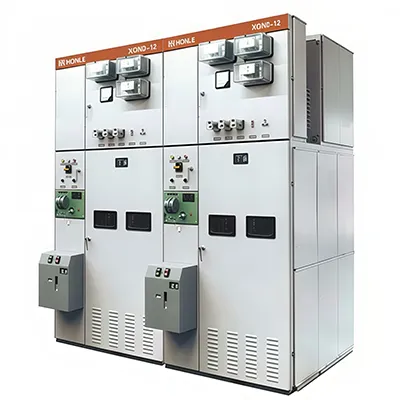
One of the most common points of confusion is the difference between switchgear and switchboard. While both distribute power, they are not interchangeable. Switchgear is manufactured and tested to more exacting standards — it must handle fault currents for up to 30 cycles, whereas switchboards are typically tested for only three cycles. Switchgear also requires internal barriers between breakers and generally needs both front and rear access. Switchboards are simpler in construction and lower in cost, but they offer less reliability and maintainability. For critical applications like data centers, manufacturing, and process facilities, switchgear is the standard choice.
Maintenance That Keeps Switchgear Running
Switchgear maintenance is not optional — it is essential. Regular inspection of equipment helps identify abnormalities at an early stage. Cleaning, tightening connections, lubrication, and periodic testing of insulation systems and electrical connections should all be part of your routine.
One often-overlooked practice: manually operating circuit breakers at least once a year to keep contacts clean and ensure mechanisms move freely. Environmental factors matter too — maintaining positive pressure in switchgear rooms or installing HVAC systems can reduce dust and contaminants, improving long-term reliability.
What Support Looks Like After the Switchgear Arrives
A switchgear is only as good as the support behind it. When evaluating suppliers, consider what happens after the equipment arrives at your facility.
Installation and Commissioning:
Proper installation is critical. The switchgear must be correctly leveled, all connections torqued to specification, and protective devices properly coordinated. Some manufacturers offer on-site technical support for installation and commissioning.
Documentation and Training:
Detailed user manuals with installation procedures, troubleshooting flowcharts, and maintenance schedules are essential. Operator training ensures your team understands how to operate the switchgear safely and recognize early warning signs of potential issues.
Spare Parts and Long-Term Support:
Ask about spare parts availability and lead times. For switchgear that will be in service for decades, knowing you can get replacement components when needed is non-negotiable.
Summary
Selecting a switchgear is not just about checking a box on an equipment list. It is about ensuring your power distribution system delivers consistent performance, manageable maintenance demands, and the flexibility to adapt as your operation grows.
What to take away:
Understand the working principle of switchgear — it protects, controls, and isolates your power circuits.Know your switchgear applications — industrial, commercial, and utility environments each have different requirements.Distinguish switchgear vs switchboard — they are not the same, and the choice affects reliability and safety.Prioritize switchgear maintenance — regular inspections and testing prevent costly failures.Evaluate support before you buy — installation help, documentation, and spare parts availability matter as much as the equipment itself.
Ready to Choose the Right Switchgear for Your Operation?
Whether you are upgrading an existing distribution system or planning a new installation, we can help. Contact our team to discuss your voltage requirements, load profiles, and any custom configuration needs for your next switchgear project.