
What Is High Voltage Switchgear and How Does It Work?

 Site Editor
Electricity needs to be controlled and distributed safely before it reaches factories, commercial buildings, substations, and other facilities. In these systems, reliable switching and protection equipment plays an important role in keeping power flowing and managing electrical faults.
But what exactly does high-voltage switchgear do? How does it control electrical circuits, and what components make up a complete switchgear system?
Understanding its structure and working principle can help engineers, contractors, and equipment buyers make more informed decisions when planning power distribution projects. This guide covers the essential details, from core components to practical applications.
What Is High Voltage Switchgear?
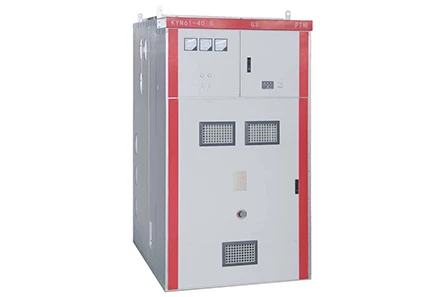
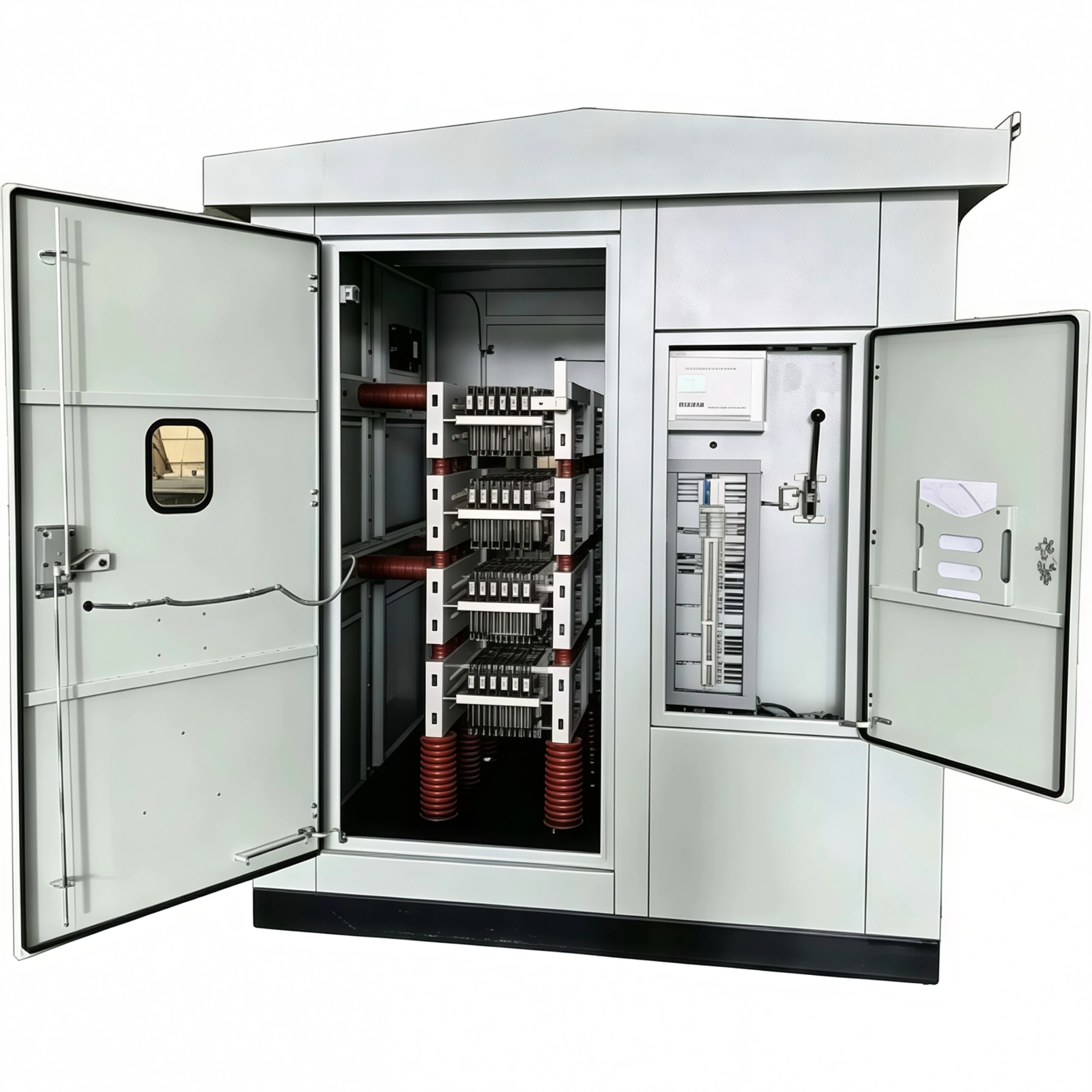
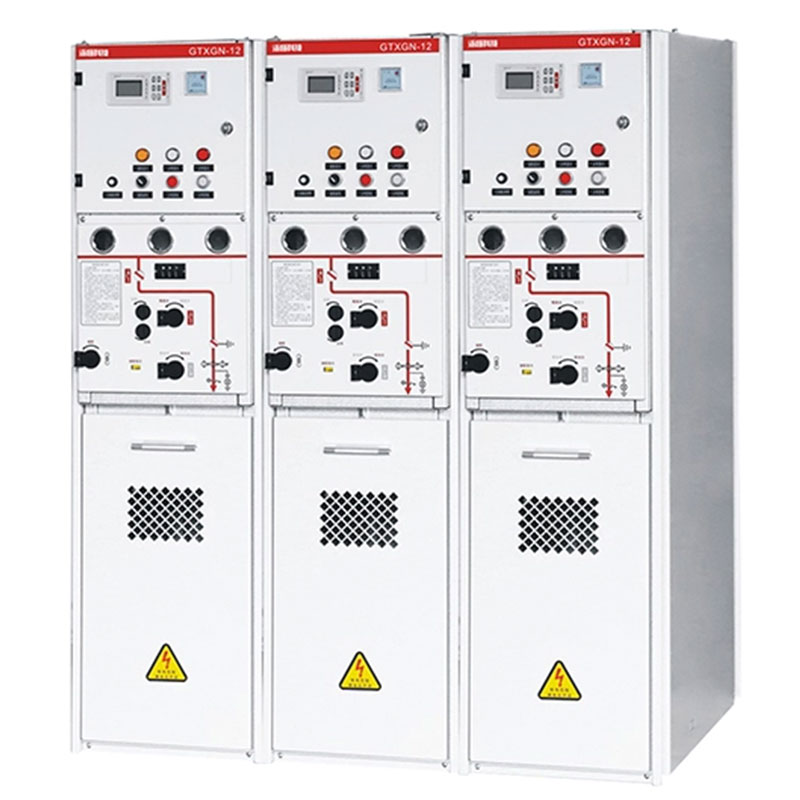
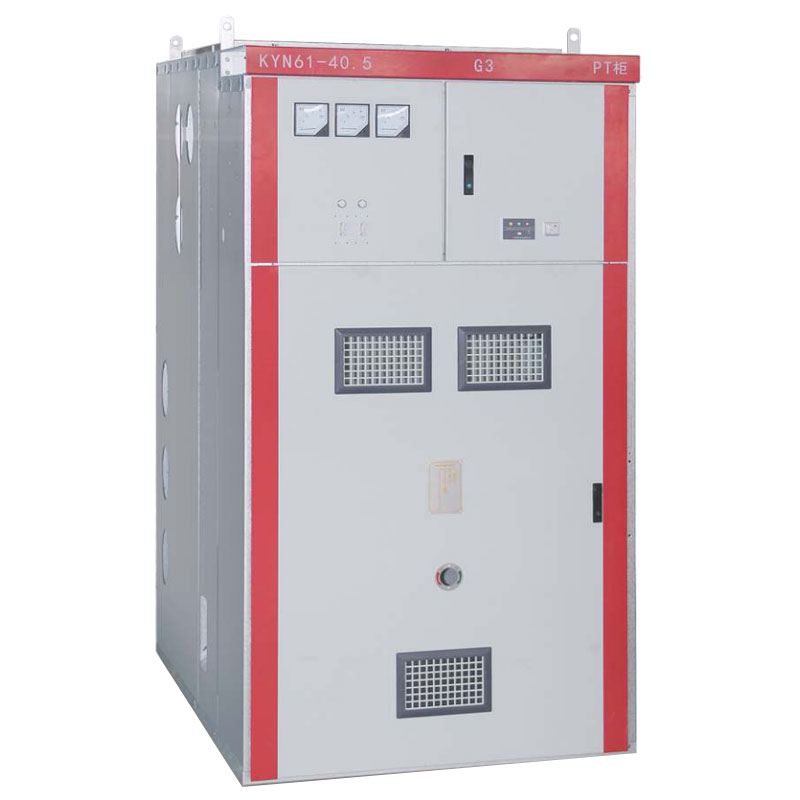
High voltage switchgear is an electrical assembly designed to control, protect, and isolate circuits in power distribution systems. It typically combines switching devices, circuit breakers, protective relays, busbars, and other electrical components within an enclosed structure.
Its main purpose is to manage the flow of electricity while providing protection when abnormal operating conditions occur. For example, when a short circuit or overload is detected, the relevant protective devices can initiate a circuit interruption to help limit the impact on connected equipment.
Depending on the system design and voltage level, switchgear may be installed in substations, industrial facilities, power plants, and renewable energy projects.
How Does High Voltage Switchgear Work?
The working principle of high voltage switchgear involves three main functions: switching, protection, and isolation. These functions work together to support the operation and maintenance of electrical distribution networks.
Switching and Power Distribution
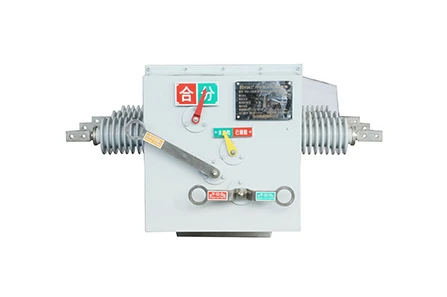
Under normal operating conditions, the switching devices control the connection and disconnection of electrical circuits. Circuit breakers and load switches perform different switching duties depending on their design and application.
Power enters the switchgear assembly and is distributed through busbars to outgoing circuits. Operators can use the relevant switching devices to manage power flow between different sections of the electrical system.
Fault Detection and Protection
Electrical systems may experience abnormal conditions such as short circuits, overcurrent, or insulation failures. Protective relays monitor electrical parameters and identify conditions that require a response.
When a fault is detected, the protection system sends a trip signal to the associated circuit breaker. The breaker then interrupts the affected circuit, helping prevent the fault from spreading through the wider distribution network.
Circuit Isolation and Maintenance
Isolation is another important function. When equipment needs inspection, repair, or replacement, the relevant circuit must be disconnected from the power supply according to the approved safety procedures.
Some switchgear designs use withdrawable circuit breakers, allowing the breaker unit to be moved into a disconnected or test position. This arrangement can make inspection and maintenance procedures more convenient, provided the equipment is operated correctly.
What Are the Main Components of High Voltage Switchgear?
A complete switchgear assembly contains several components that perform different electrical and mechanical functions. Their coordination affects the equipment's operating reliability and protection capabilities.
Circuit Breaker
The circuit breaker is responsible for making, carrying, and interrupting electrical current under specified operating conditions. Vacuum circuit breakers are commonly used in many medium-voltage distribution applications.
Their vacuum interrupters help extinguish the electrical arc when the contacts separate, supporting circuit interruption during switching and fault conditions.
Busbars
Busbars are conductive components that distribute electrical power between incoming and outgoing circuits. Their material, arrangement, and connection quality influence current-carrying performance and temperature rise.
Protective Relays
Protective relays monitor electrical conditions and respond when predefined fault criteria are met. They work with circuit breakers to help protect transformers, cables, motors, and other connected equipment.
Insulation and Enclosure
Insulation systems help maintain the required electrical separation between energized components and grounded structures. The enclosure provides mechanical protection and organizes the internal equipment.
Depending on the switchgear design, insulation may rely on air or other insulating media.
What Types of High Voltage Switchgear Are Available?
Different projects have different requirements for installation space, operating conditions, maintenance access, and system configuration. Understanding the available designs helps buyers identify equipment that fits their applications.
Air-Insulated Switchgear (AIS)
Air-insulated switchgear uses air as the primary insulating medium between energized components. It is commonly selected for indoor substations and industrial power distribution installations where sufficient installation space is available.
Gas-Insulated Switchgear (GIS)
Gas-insulated switchgear uses an insulating gas or alternative insulating medium within sealed compartments. Its compact design can be useful in installations where space is limited.
The choice of insulating medium should also consider environmental regulations, maintenance requirements, and the equipment's intended operating conditions.
Fixed and Withdrawable Switchgear
Fixed switchgear has its main switching components installed in a fixed position. Withdrawable switchgear allows selected components, such as circuit breakers, to be moved between operating, test, and disconnected positions.
Both configurations have their own advantages in terms of layout, maintenance access, and operational requirements.
Where Is High Voltage Switchgear Used?
Switchgear is used in a wide range of electrical infrastructure projects. Its configuration depends on the power system, installation environment, and protection requirements.
Common applications include:
-
Power substations: Managing incoming and outgoing power circuits and supporting distribution operations.
-
Industrial facilities: Supplying and protecting electrical systems used by production lines, motors, and heavy machinery.
-
Renewable energy projects: Connecting solar and wind power systems to collection networks and distribution infrastructure.
-
Commercial infrastructure: Supporting electrical distribution in large buildings and facilities with substantial power requirements.
For these applications, equipment selection should take into account the system's voltage level, rated current, short-circuit requirements, installation conditions, and relevant local standards.
Summary
Choosing suitable switchgear involves more than understanding its basic electrical functions. Buyers also need to consider system compatibility, protection requirements, maintenance access, and long-term operating conditions.
Key Points to Remember
-
Switchgear controls, protects, and isolates electrical circuits.
-
Circuit breakers, busbars, protective relays, and insulation systems work together to support safe operation.
-
AIS, GIS, fixed, and withdrawable designs serve different installation requirements.
-
Proper equipment selection and regular maintenance contribute to reliable power distribution.
Looking for the Right Switchgear for Your Project?
Every power distribution project has its own technical and operating requirements. Whether you are planning a substation, upgrading an industrial electrical system, or developing a renewable energy installation, choosing an appropriate switchgear configuration is an important step.
At HONLE, we offer a range of switchgear solutions, including KYN28, KYN61, XGN, and ring main unit designs for different power distribution applications.
Contact our team to discuss your project requirements, explore available configurations, and find a suitable solution for your electrical distribution system.